Weaving Intelligence
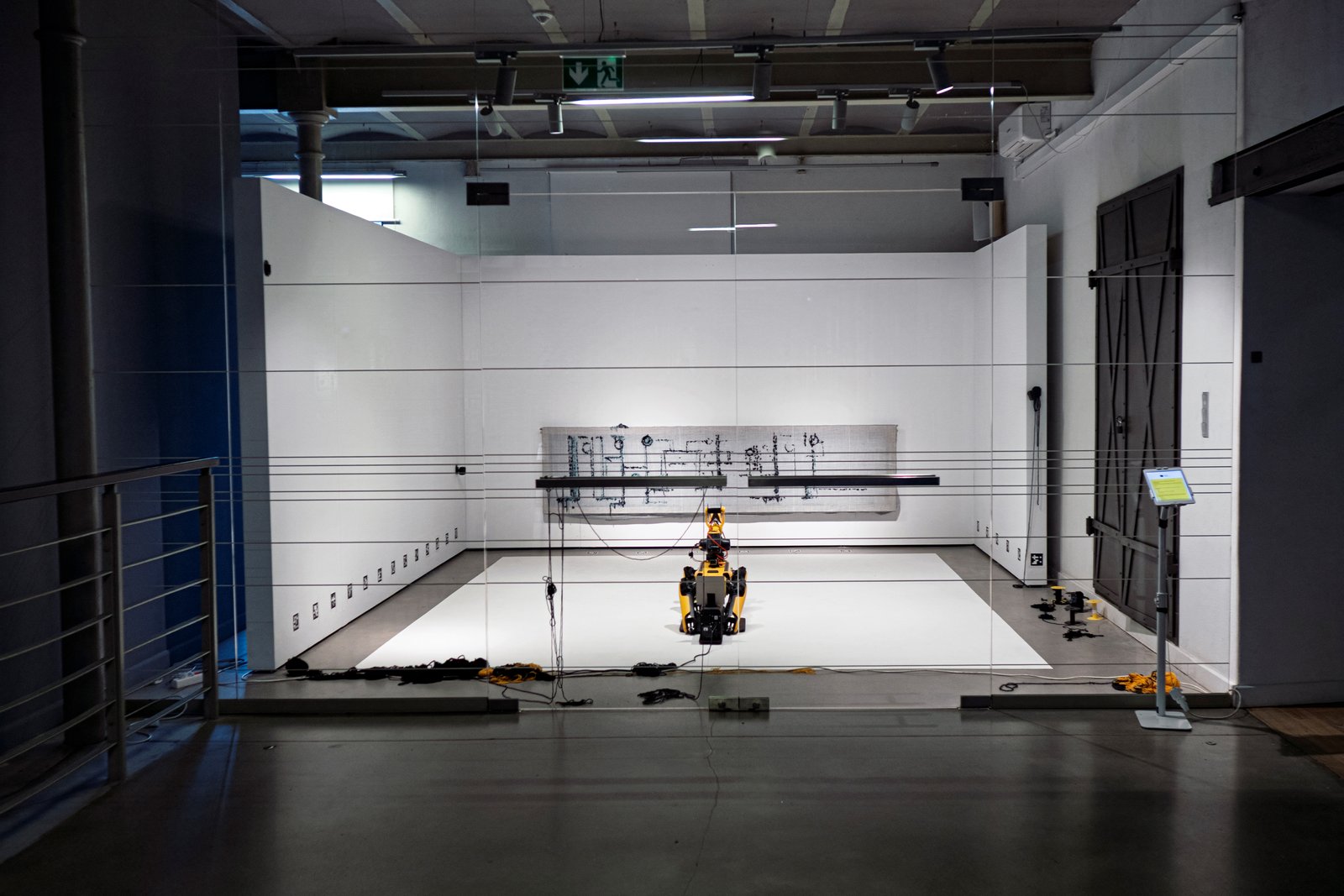
October 2025, Central Museum of Textiles, Łódź, Poland
The exhibition
Weaving Intelligence
accompanies the 18th International Triennial of Tapestry in its fiftieth-anniversary year.
This is a moment for the Triennial to take stock of its history while opening a conversation about the future of textile art.
Through Agnieszka Pilat's installation, that forward gaze takes on a vital - and, for many, unexpected - form. For years, this Polish-American artist has been captivated by advances in robotics, and she places them at the center of her practice.
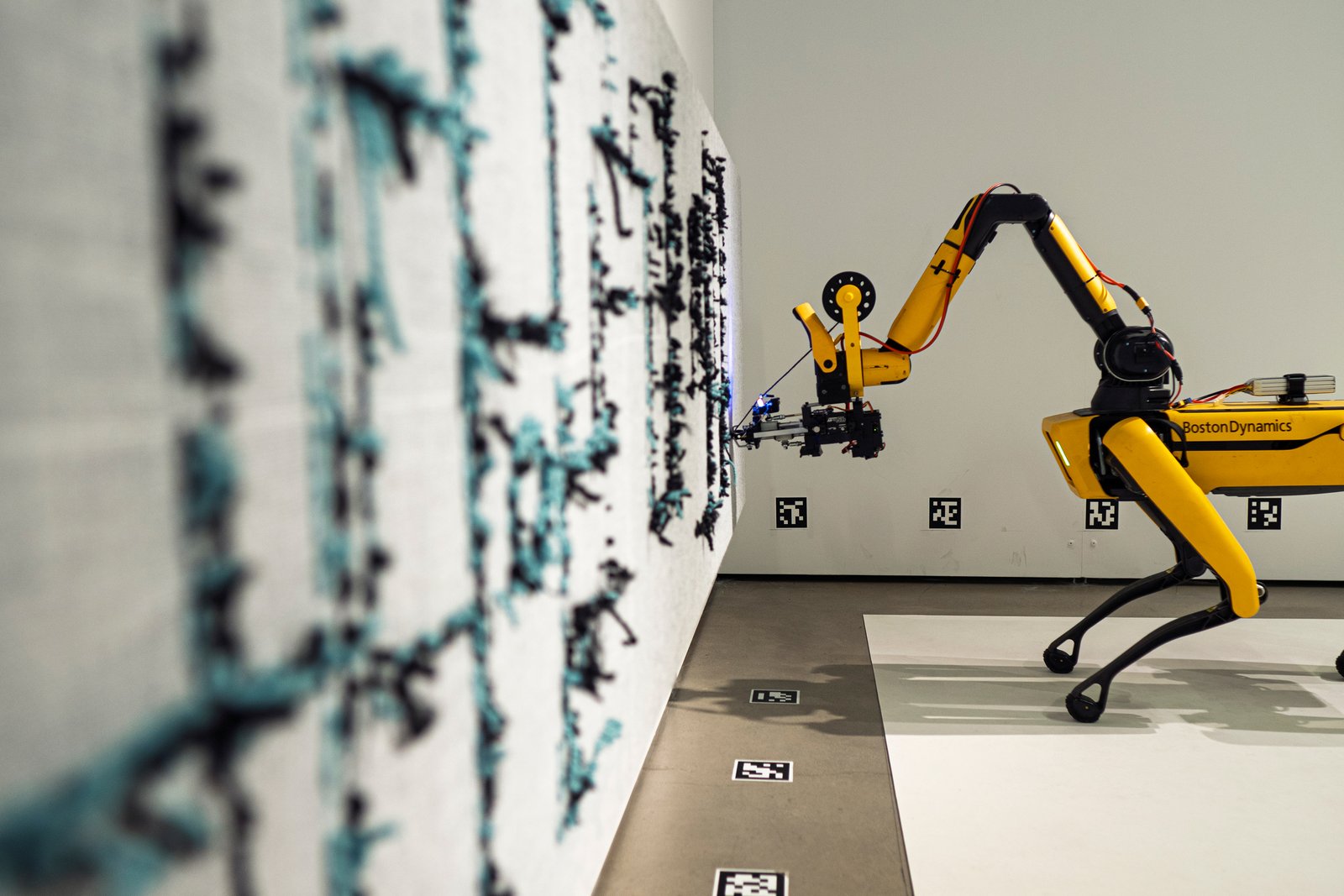
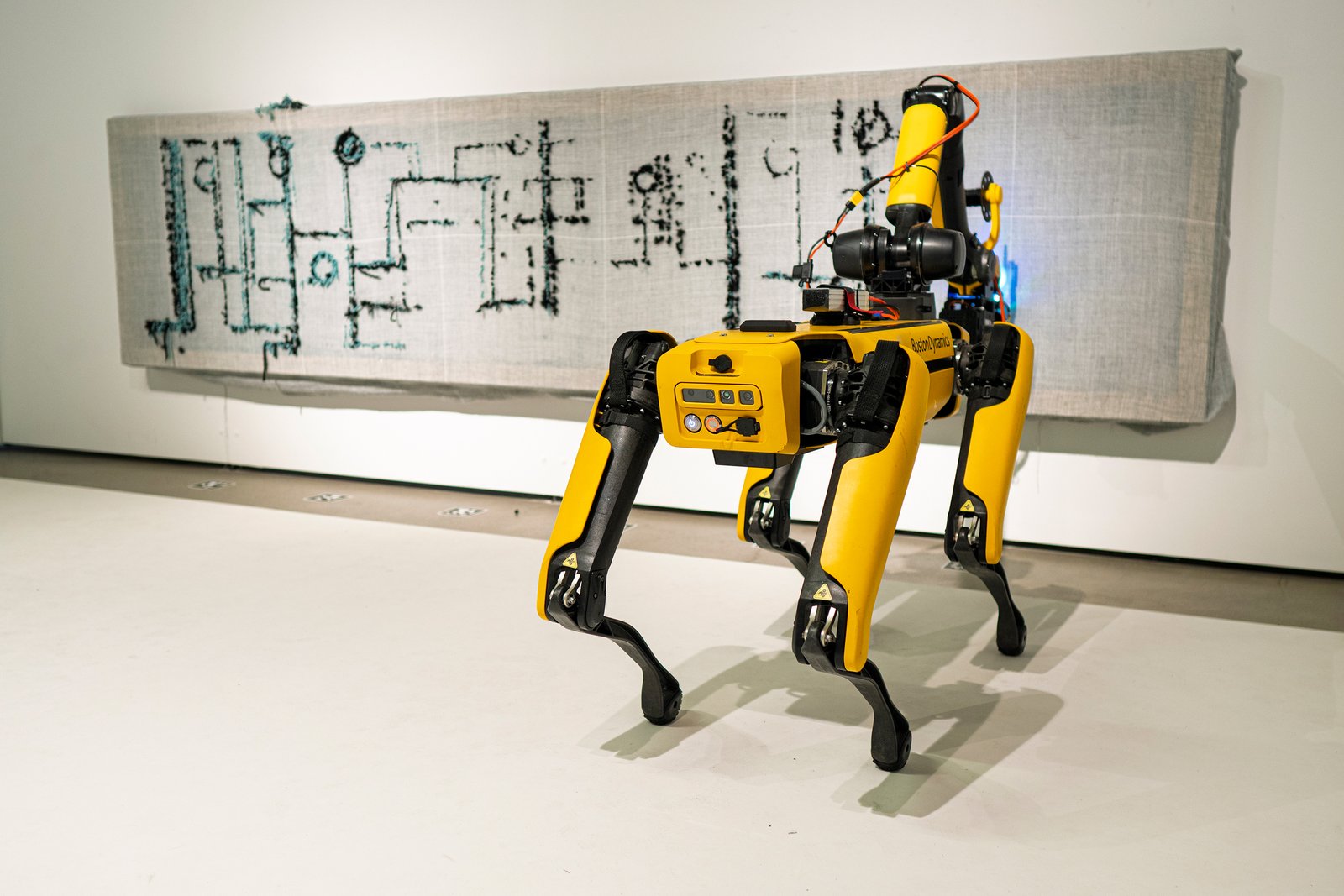
Pilat collaborates with a robot she has named Basia.
The history of the Central Museum of Textiles in Lódz and of the International Triennial of Textile inspired the artist to teach Basia a new skill: tufting. At the museum, the robot attempts to produce a work using this technique. Will it succeed?
The process of Basia's "education" invites us to revisit our definitions. Pilat invokes a prevailing understanding of art as inquiry, an investigation that brings problems to light.
This is especially pertinent now, when the idea, the spark that generates an exchange of views, can become the essence of a work or creative act. In this light, Pilat's collaboration with Basia asks us to consider the boundaries of authorship and autonomy: where, and under what conditions, does the act remain creative?
Although Basia does not act with complete freedom, Pilat calls her an artistic partner rather than a tool. This in turn implies agency in the creative process. How equal is that partnership? If we look back at the art world's long-running disputes, we see that the tension between "pure" art and craft-based making has long been a contested terrain.
That debate may now be shifting into the arena of rob